


Changing production and distribution models to reduce environmental impact

Today, manufacturers have no choice but to take the environment into account in their development and structuring projects. This challenge leads them to reconsider certain practices and invent new models. That's why we support you in your initiatives to reduce your environmental impact.
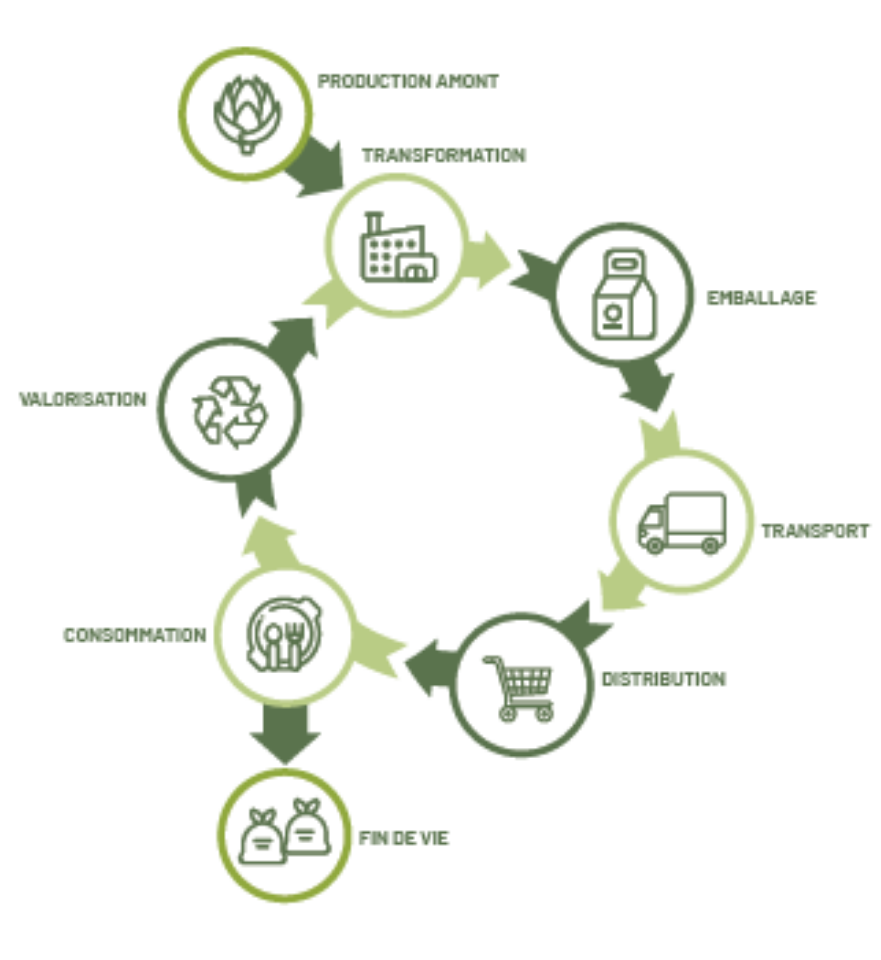
The Life Cycle Assessment (LCA) method
Our environment team is an expert in theLife Cycle Assessment method.
This enables us to quantify the environmental impact of a product, packaging, process or service, taking into account incoming and outgoing flows over its entire life cycle.
Over the past 10 years, we have developed targeted skills and methodologies, thanks in particular to our participation in research programs and our support for numerous companies in their environmental assessment processes.
LCA is a standardized method that follows ISO 14 040 to ISO 14 044 standards. The CTCPA holds a license for the use of Simapro and MEANS In-Out LCA software.
The Ecoflux® Diagnostic
We can help you carry out an overall diagnosis to reduce energy, material, water and waste flows.
We are approved by BpiFrance andADEME to carry out the Ecoflux® Diagnostic, reserved for companies with between 20 and 250 employees. This involves 4 stages:
- Analysis of your practices to identify energy sources
- Definition of a personalized and costed action plan
- Implementation of the action plan for 12 months with regular follow-ups
- Evaluation of results and inclusion in a continuous improvement process.
The ADEME subsidizes this service up to 50%.
Reducing the environmental impact of packaging (3R decree)
We propose a diagnosis and a packaging action plan defined around the 3R objectives of reduction, reuse and recycling.
Our packaging center in Bourg-en-Bresse carries out an initial assessment, proposing a map of existing solutions on the market, adapted to the technical criteria of your product. We then draw up a 3R action plan for each product/packaging pairing.
This step consists of identifying eco-design avenues for this packaging around the 3 objectives of the 3R decree:
- Reduce: reduce the weight, thickness and volume of packaging, or optimize logistics to reduce secondary packaging.
- Reuse: setting up a re-use solution
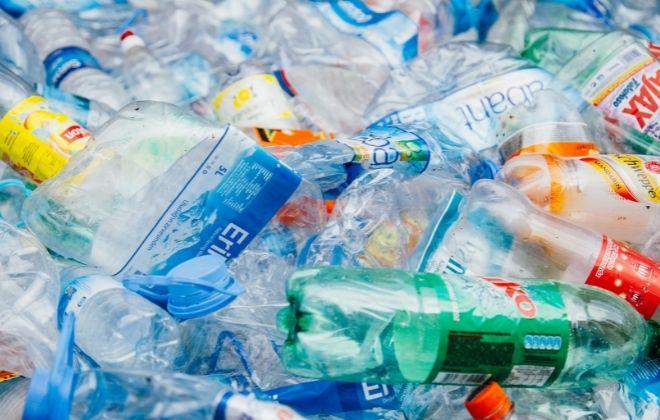
- Recycling: select or develop packaging technologies that meet recyclability specifications, and promote technical solutions that allow recycled materials to be incorporated into packaging.
The CTCPA is one of the experts identified by ADEME to carry out this diagnosis. The company may be eligible for financial assistance from ADEME to carry out the diagnosis.

Ecodesign in companies and industries
Eco-design consists in integrating the reduction of environmental impacts with other criteria (cost, quality, technical feasibility, market expectations...) in the design or improvement of a good or service.
We help you to build a process adapted to your objectives and your means. The Lifecycle Analysis method can be used in these processes to identify the main contributing items and build an adapted and efficient action plan.
Other tools such as checklists can also be used.
The areas of improvement can cover all stages of the product life cycle: the choice of ingredients and their sourcing, the transformation processes, packaging, etc.
We also support, on a regional scale, the more global eco-design approaches of industries and brands. We help them to structure themselves around a common project mobilizing all the players.
Water consumption management
Sustainable water management is now a key issue for food processing plants.
We benefit from a recognized expertise in the field of water consumption reduction in the food industry.
Based on measurements and data collected on the industrial site, we apply the Pinch Eau method to establish a diagnosis of your site's water network. This diagnosis is then used to reconsider the water network in order to optimize the site's own water consumption.

Diagnosis of food waste
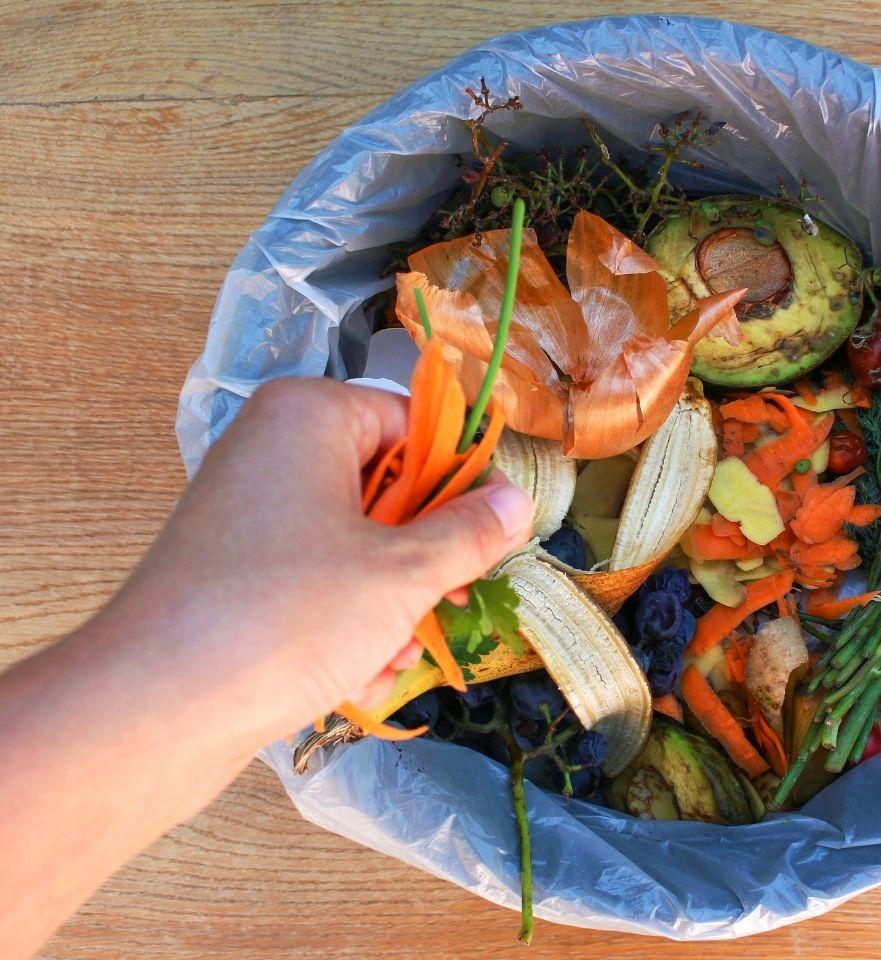
The February 2020 law on waste and the circular economy (Loi AGEC) requires you to implement an approach to combating food waste, which must include a diagnosis. We can help you carry out this diagnosis by characterizing your losses at each stage of processing, and work with you to draw up a reduction action plan.