Partners, sectors & events

Fruit & Vegetable Sovereignty Plan: the CTCPA is committed to helping the sector meet the challenges of tomorrow

10

Oct
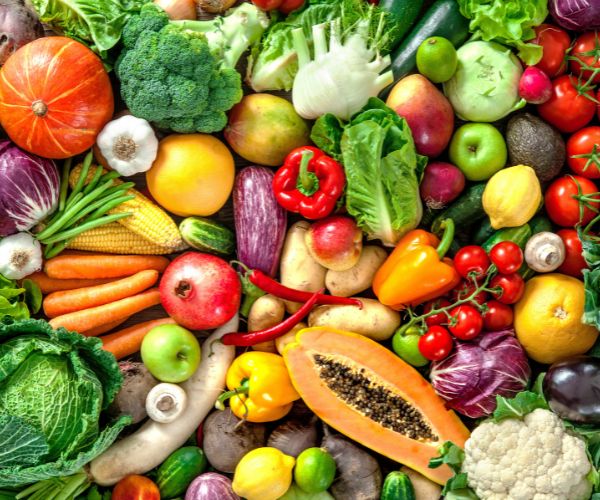
Fruit & Vegetable Sovereignty Plan: the CTCPA is committed to helping the sector meet the challenges of tomorrow

Published on : 10/10/2022

Download the press release


This Tuesday, September 27, Marc Fesneau, Minister of Agriculture and Food Sovereignty, met with stakeholders in the fruit and vegetable sector to validate with them the development process and the shared timetable of the medium and long-term sovereignty plan for the sector announced on March 16 by the Government as part of the resilience plan. The CTCPA, Technical Center for the Conservation of Agricultural Products, was present.


The plan aims to provide a strategic framework and operational action levers so that the fruit and vegetable sector can reverse the trend in production curves by 2030 and meet these challenges.

It is also a challenge environmental for the sector to increase its production in a context of climate change and to fully succeed in its agri-environmental transition to meet the challenges of tomorrow's food sovereignty through sustainable production methods.

In order to develop this plan and these action levers, discussions will involve professionals and services concerned at the transversal level on the following major strategic axes (1) Crop protection, (2) Competitiveness, investments and innovation, (3) Research, experimentation, training and generation renewal, (4) Boosting fruit and vegetable consumption in the food model.

From October to the end of the year, work will be carried out around these working groups to lead to the validation of the plan and the implementation of the first actions in early 2023.

The CTCPA, Technical Center for the Preservation of Agricultural Products, brings its scientific and technical support to the Fruit & Vegetable sector by committing to accompany it to meet the challenges of tomorrow. 
Spread the love

latest news

13

Apr

Work is currently underway on a national anti-waste certification program for the food processing industry

The work launched in 2026 on the future national "anti-food waste" label for the agri-food industry marks a new phase in the development of initiatives to reduce food waste.

Read more

The work launched in 2026 on the future national "anti-food waste" label for the agri-food industry marks a new phase in the development of initiatives to reduce food waste.

13

Apr

Control of Listeria monocytogenes in ready-to-eat foods: toward a major shift in European regulations

The publication of Regulation (EU) 2024/2895 marks a major step forward in the control of Listeria monocytogenes in ready-to-eat foods.

Read more

The publication of Regulation (EU) 2024/2895 marks a major step forward in the control of Listeria monocytogenes in ready-to-eat foods.

13

Apr

Antinutritional factors and legumes: How can processing methods help reduce their presence?

Legumes are now at the heart of the food transition movement, thanks to their nutritional and environmental benefits.

Read more

Legumes are now at the heart of the food transition movement, thanks to their nutritional and environmental benefits.

latest news

Industrial and environmental transition

13

Apr

Work is currently underway on a national anti-waste certification program for the food processing industry

Posted at 1:24 p.m.

The work launched in 2026 on the future national "anti-food waste" label for the agri-food industry marks a new phase in the development of initiatives to reduce food waste.

Read more

Regulations, food safety

13

Apr

Control of Listeria monocytogenes in ready-to-eat foods: toward a major shift in European regulations

Posted at 12:44

The publication of Regulation (EU) 2024/2895 marks a major step forward in the control of Listeria monocytogenes in ready-to-eat foods.

Read more

Regulations, food safety

13

Apr

Antinutritional factors and legumes: How can processing methods help reduce their presence?

Posted at 12:20 p.m.

Legumes are now at the heart of the food transition movement, thanks to their nutritional and environmental benefits.

Read more

This will close in 0 seconds