Regulations, food safety

Letters code of the year 2023

28

Nov
Letters code of the year 2023

Published on : 28/11/2022

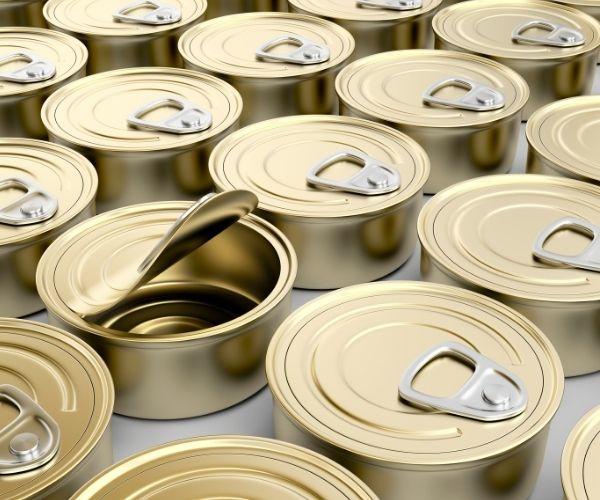
The "code" letters for the year 2023 are:

● M for canned goods,
● B for semi-preserves


The use of these letters "code" is optional, however it allows a clear identification of the year of manufacture by distributors and stock managers of canned products.

These "code" letters are communicated to the Supervisory Authorities, to the French and European Professional Organizations, and to the Administration.

Download the file

View the history of code letters
Spread the love

latest news

07

Jul

An Update on Clostridium: Current Food Safety Issues

Bacteria of the genus Clostridium pose a major food safety concern due to their ability to form highly resistant spores and, in the case of certain species, to produce toxins that cause foodborne illnesses, some of which can be severe.

Read more

Bacteria of the genus Clostridium pose a major food safety concern due to their ability to form highly resistant spores and, in the case of certain species, to produce toxins that cause foodborne illnesses, some of which can be severe.

07

Jul

From Data to Environmental Labels: The Role of Agribalyse®, InCyVie, and Ecobalyse®

Environmental labeling of food products is set to play an increasingly important role in the strategies of agri-food companies.

Read more

Environmental labeling of food products is set to play an increasingly important role in the strategies of agri-food companies.

07

Jul

NIAS: What Are the Challenges for Food Safety?

Unintentionally Added Substances (UAS) are a growing concern for manufacturers of materials intended to come into contact with food.

Read more

Unintentionally Added Substances (UAS) are a growing concern for manufacturers of materials intended to come into contact with food.

latest news

Regulations, food safety

07

Jul

An Update on Clostridium: Current Food Safety Issues

Posted at 10:03

Bacteria of the genus Clostridium pose a major food safety concern due to their ability to form highly resistant spores and, in the case of certain species, to produce toxins that cause foodborne illnesses, some of which can be severe.

Read more

Industrial and environmental transition

07

Jul

From Data to Environmental Labels: The Role of Agribalyse®, InCyVie, and Ecobalyse®

Posted at 9:40 a.m.

Environmental labeling of food products is set to play an increasingly important role in the strategies of agri-food companies.

Read more

Packaging

07

Jul

NIAS: What Are the Challenges for Food Safety?

Posted at 9:33 a.m.

Unintentionally Added Substances (UAS) are a growing concern for manufacturers of materials intended to come into contact with food.

Read more

This will close in 0 seconds