

Packaging
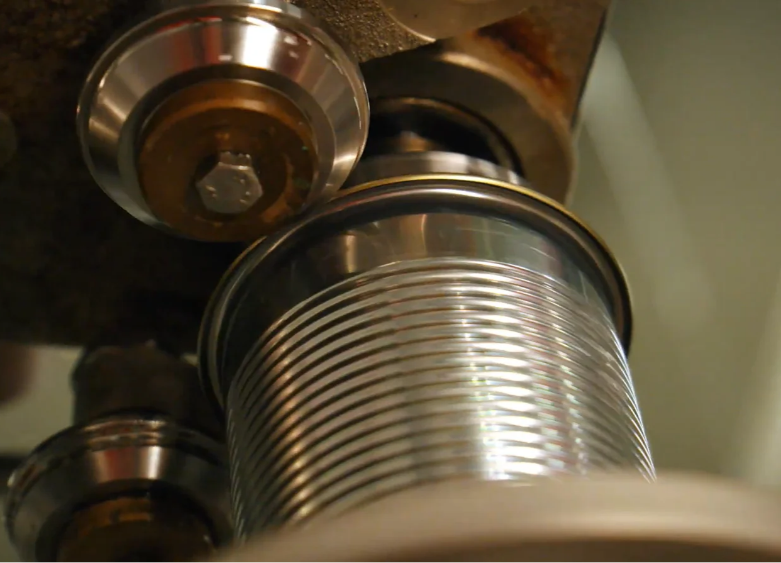
Controlling the barrier properties of "3R" packaging: a challenge for companies that the CTCPA supports with its expertise and technical resources.
28
June
Published on: 28/06/2022
Improved recyclability, the growing use of paper and cardboard, and the reduction in packaging mass, are leading packaging manufacturers to reshuffle the deck in terms of technologies and applications. In particular, new "3R" packaging is generally designed as closely as possible to its required barrier target properties. "To support 3R packaging users as effectively as possible, we offer them permeability tests on finished packaging, under humidity and temperature conditions as close as possible to their actual use ,confides Annie Perrin, head of the packaging functionality unit. With this in mind, the CTCPA is constantly expanding its permeability test facilities, with equipment adapted to the analysis of different barrier levels, and a wide modularity of test conditions, not provided by commercial turnkey equipment.
The DIS30 platform was set up in collaboration with IPC, the plastics processing technical center, and financed by the AURA region. This multi-site platform capitalizes on the expertise and technical resources of the two centers, providing manufacturers and professionals with the tools they need to develop safer, more sustainable packaging.
With regard to packaging permeability, a range of characterization equipment has been acquired by the CTCPA and made available to the platform. In particular, we have acquired a permeameter dedicated to measuring water vapour transfer, with a sensitivity adapted to paperboard functionalized by barrier layers. Also of note is an original permeameter designed to measure oxygen/CO2 selectivity, an important characteristic for the preservation of so-called "breathable" products, such as 4th range fruit and vegetables.
Contact Annie PERRIN - Physico-chemistry unit manager - aperrin@ctcpa.org
Project funded by the Auvergne-Rhône-Alpes region

The DIS30 platform was set up in collaboration with IPC, the plastics processing technical center, and financed by the AURA region. This multi-site platform capitalizes on the expertise and technical resources of the two centers, providing manufacturers and professionals with the tools they need to develop safer, more sustainable packaging.
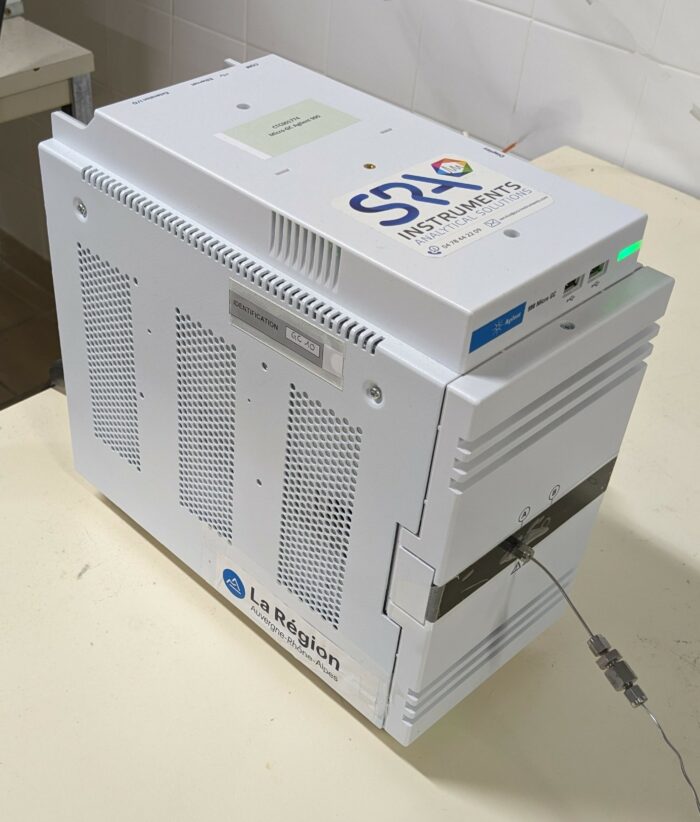
microGC sensor for simultaneous detection of oxygen and CO2 transfer through a package
With regard to packaging permeability, a range of characterization equipment has been acquired by the CTCPA and made available to the platform. In particular, we have acquired a permeameter dedicated to measuring water vapour transfer, with a sensitivity adapted to paperboard functionalized by barrier layers. Also of note is an original permeameter designed to measure oxygen/CO2 selectivity, an important characteristic for the preservation of so-called "breathable" products, such as 4th range fruit and vegetables.
Contact Annie PERRIN - Physico-chemistry unit manager - aperrin@ctcpa.org
Project funded by the Auvergne-Rhône-Alpes region