


Regulations, food safety
Quality of cookie wheat: the cookie test carried out at the CTCPA to meet the requirements of the cookie industry
23
Mar
Published on : 23/03/2022
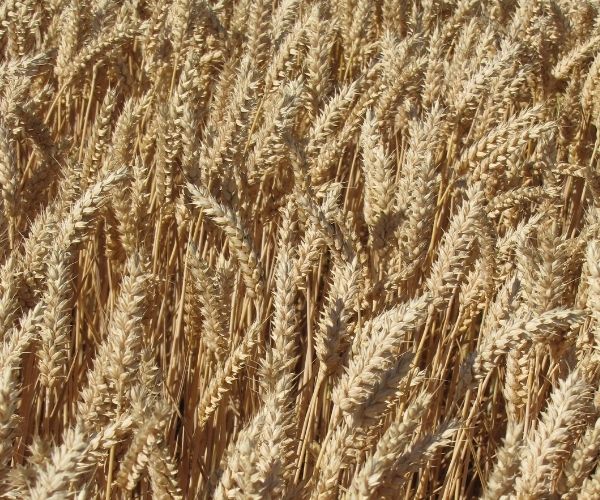
Photo credit: © LG Céréales
What is cookie wheat?
Cookie wheat (e.g. ARKEOS, HANSEL, COSMIC) represents less than 2% of the area cultivated with soft wheat in France, for a market estimated at more than 200,000 tons of cookie flour per year. Contrary to flours intended for bread making, cookie flours are characterized by their low gluten content and their low water absorption, two criteria sought after in the cookie industry. The cookie test measures the ability of a wheat to meet the requirements of the cookie industry, i.e. to produce cookies with a crisp, light texture and controlled dimensions.
What is the cookie test?
The cookie test measures the ability of a wheat to meet the requirements of the cookie industry, i.e. to produce cookies with a crisp, light texture and controlled dimensions.
This test was developed and validated with the cookie industry and is now used as a reference test by the Permanent Technical Committee for the Selection of Cultivated Plants (CTPS) for the registration of new varieties in the cookie wheat category.
During this test, different criteria are analyzed on the dough and on the baked cookie, in particular:
- The appearance of the dough after kneading and during rolling, with the target of the absence of stickiness and tearing,
- Les dimensions du biscuit : l’optimum se situe à 6 cm dans le sens du laminage (dimension initiale de la découpe). Une valeur < 6 cm indique un manque d’extensibilité et une rétraction en cours de cuisson ; une valeur > 6 cm dénote un étalement de la pâte, recherché en biscuiterie,
- La densité du biscuit: qui doit rester < 0,3 g/cm3, en lien avec une texture aérée et croustillante.
This test is carried out in one of the technological halls of the CTCPA, under controlled temperature conditions and following a specific protocol. At the end of this test, a complete report is written and sent to the applicant.
Who is this cookie test for?
This test is primarily intended for breeders to validate the cookie aptitude of a new variety, and to pass the technological validation stage during the registration procedure. It is also intended for millers who wish to evaluate the quality of their wheat supply in order to meet the requirements of their biscuit-making customers. Finally, this test is also used by cookie manufacturers as part of their Quality or Innovation process, to anticipate or solve production problems.
Each year, the CTCPA carries out several tens of cookie tests. The CTCPA participates to the annual report " Quality of French cookie wheat".
For Read more on the cookie test : Gilles BERTHEAU (gberteau@ctcpa.org), Head of the Cereals business