


Partners, sectors & events
Pulse process (FILEG): techno-functional characterization of legumes in the Occitanie region
21
Feb
Published on : 21/02/2022
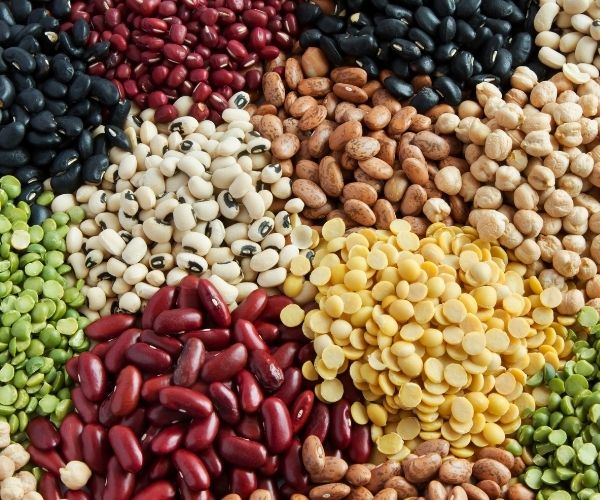
Within the framework of the implementation of a local chain of legumes in the Occitanie region (FILEG), the Pulse process project aims to provide a first operational brick by working on the techno-functional characterization of locally grown varieties, focusing on their aptitude for processing and thus guaranteeing an outlet for this local production.
To initiate this approach, appertization was chosen as the model for processing because it is the most demanding and common process.
In this project, the CTCPA will develop a standardized protocol to discriminate certain varieties of lentils and chickpeas on their ability to withstand the thermal stresses associated with appertization, particularly on the criterion "breakage rate".
In the long term, the results will help guide farmers in their choice of varieties to be planted according to the desired markets, and to anticipate the criteria that may affect the suitability for processing (cultivation methods, harvesting conditions, storage methods).
This project thus aims to establish transparent and effective communication between upstream and downstream and to encourage local sourcing for 2nde and the professionals of the collective catering of the Occitanie region.
This project, coordinated by the CTCPA, is carried out within the framework of a call for projects "Territoires à Agricultures Positives" Adour-Garonne basin, with the following partners: Terres Inovia, CISALI, the Agro-ecological Platform-Auzeville and the FILEG association.
Contact: Gilles BERTHEAU - Head of Cereals and Plant Proteins - gbertheau@ctcpa.org
____
A major lever for a healthy and sustainable diet, legumes are a source of protein that respects the planet. Good for the health, they are rich in minerals, fibers and micronutrients.
The CTCPA, as an industrial technical center, accompanies and guides the actors of the food industry by being involved in particular on :
- Projects for structuring regional sectors (PACALEG in the PACA region (leader), FILEG Occitanie...)
- L'product innovation European project FOX, PACALEG project, Carnot Qualiment projects (Germage...)
- R&D via the conduct of theses: How can the process and formulation influence the nutritional quality of legumes?
- The implementation of an innovation dynamic around plant proteins through the training and support of students in the framework of the Cap Protéines Challenge competition, of which the CTCPA is a proud partner!
To initiate this approach, appertization was chosen as the model for processing because it is the most demanding and common process.
In this project, the CTCPA will develop a standardized protocol to discriminate certain varieties of lentils and chickpeas on their ability to withstand the thermal stresses associated with appertization, particularly on the criterion "breakage rate".
In the long term, the results will help guide farmers in their choice of varieties to be planted according to the desired markets, and to anticipate the criteria that may affect the suitability for processing (cultivation methods, harvesting conditions, storage methods).
This project thus aims to establish transparent and effective communication between upstream and downstream and to encourage local sourcing for 2nde and the professionals of the collective catering of the Occitanie region.
This project, coordinated by the CTCPA, is carried out within the framework of a call for projects "Territoires à Agricultures Positives" Adour-Garonne basin, with the following partners: Terres Inovia, CISALI, the Agro-ecological Platform-Auzeville and the FILEG association.
Contact: Gilles BERTHEAU - Head of Cereals and Plant Proteins - gbertheau@ctcpa.org
____
A major lever for a healthy and sustainable diet, legumes are a source of protein that respects the planet. Good for the health, they are rich in minerals, fibers and micronutrients.
The CTCPA, as an industrial technical center, accompanies and guides the actors of the food industry by being involved in particular on :
- Projects for structuring regional sectors (PACALEG in the PACA region (leader), FILEG Occitanie...)
- L'product innovation European project FOX, PACALEG project, Carnot Qualiment projects (Germage...)
- R&D via the conduct of theses: How can the process and formulation influence the nutritional quality of legumes?
- The implementation of an innovation dynamic around plant proteins through the training and support of students in the framework of the Cap Protéines Challenge competition, of which the CTCPA is a proud partner!