
Life of the CTCPA

Microbiology: the CTCPA recognized by the DGAL!

28

Feb

Microbiology: the CTCPA recognized by the DGAL!

Published on : 28/02/2021

The CTCPA is recognized by the DGAL as an official entity for the validation of the microbiological shelf-life of foods


According to the European regulation of the "Hygiene Package", food operators are responsible for the foodstuffs they put on the market and must ensure that they are not dangerous. To do this, they draw up a sanitary control plan to define measures to control the identified hazards and check that these control measures are effective.
Validation and verification of the microbiological shelf life (MHL) of foods are part of these control measures.

Various tools can be used by food business operators to validate and/or verify a DVM: scientific and technical literature, self-checking history, aging tests, growth tests and predictive microbiology. Nevertheless, given the diversity of tools and situations encountered, a food business operator or an interprofessional organization may wish to obtain additional advice on its DVM validation file, on technical and/or scientific aspects.

A new organization has been set up to answer satisfactorily to the professionals and professional organizations who ask for a complementary advice. It is mainly based on the group of ITAI (Agro-Industrial Technical Institutes) experts, members of the RMT ACTIA Qualima. The opinion given will be recognized as the official position of the DGAL.

For records implemented by food operators:

  • the opinion given by the CTCPA, as ITAI and member of the RMT Qualima, will be recognized as the official position of the DGAL. 


For DVM validation files written by the CTCPA:

  • they are de facto considered validated by the administration. 


https://ogi.ctcpa.eu/upload/images/picto_site_internet_telecharger.jpg Official document

 Contact: Dr Stella Planchon, avignon@ctcpa.org
Spread the love

latest news

13

Oct

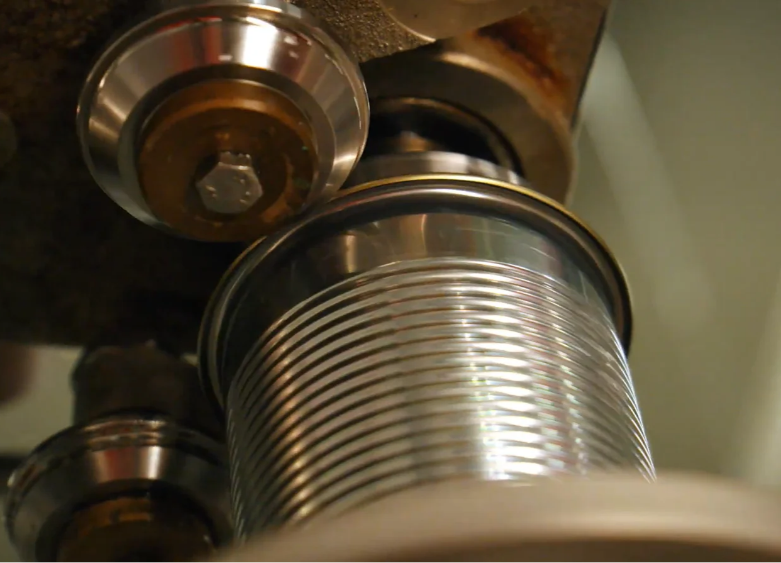
Sealing: A Critical Step for the Safety of Canned Products

Sealing is an essential step in the manufacture of aseptically packaged products. It ensures that metal containers are airtight.

Read more

Sealing is an essential step in the manufacture of aseptically packaged products. It ensures that metal containers are airtight.

13

Oct

Water Efficiency: A Strategic Issue for the Agri-Food Industry

Water efficiency strengthens the resilience of sites and improves their environmental and economic performance.

Read more

Water efficiency strengthens the resilience of sites and improves their environmental and economic performance.

13

Oct

Allergen Control: Choosing the Right Test to Help You Make a Decision

Food allergens remain one of the leading causes of product recalls and pose a major challenge for the food industry.

Read more

Food allergens remain one of the leading causes of product recalls and pose a major challenge for the food industry.

latest news

Product & process innovation

13

Oct

Sealing: A Critical Step for the Safety of Canned Products

Posted at 9:10 a.m.

Sealing is an essential step in the manufacture of aseptically packaged products. It ensures that metal containers are airtight.

Read more

Industrial and Environmental Transition

13

Oct

Water Efficiency: A Strategic Issue for the Agri-Food Industry

Posted at 9:10 a.m.

Water efficiency strengthens the resilience of sites and improves their environmental and economic performance.

Read more

Regulations, Quality, and Food Safety

13

Oct

Allergen Control: Choosing the Right Test to Help You Make a Decision

Posted at 9:10 a.m.

Food allergens remain one of the leading causes of product recalls and pose a major challenge for the food industry.

Read more

This will close in 0 seconds